Events have long been a part of the marketing mix, but the most effective organizations today are no longer treating them as a standalone initiative or a fixed expense. Instead, they are viewing events as a revenue channel for their business that can generate pipeline growth, accelerate deals, and strengthen long-term customer relationships. This does not simply mean replacing one type of event with another. It is about recognizing that different event formats each play a role in driving business outcomes. When approached intentionally, events become one of the few channels that can support both marketing and sales in a meaningful, measurable way.
A Channel That Spans the Customer Journey
What makes event marketing unique is its ability to operate across the full customer journey. At the top of the funnel, events create visibility and introduce new audiences to a brand. As engagement deepens, events provide opportunities for more meaningful interaction, allowing teams to better understand customer needs and priorities. They create space for conversations that advance opportunities, often bringing together the right mix of stakeholders to accelerate decision-making. Few channels offer that level of continuity. The most engaging events create new customers and strong brand advocates.
Trade Shows: Creating Awareness and Opening Opportunities
Industry events continue to be a powerful way to establish presence and connect with new audiences. They bring together a concentrated group of prospects, partners, and customers, creating an efficient environment for initial engagement. For many organizations, this is the initial touchpoint for relationships. It is where brands are discovered, conversations are initiated, and opportunities start to take shape. Trade shows serve as a strong entry point into the broader revenue pipeline. However, the real impact often depends on how those initial interactions are built upon and extended beyond the show floor.
Private Events: Where Relationships Turn Into Revenue
Private events create an environment that is designed for depth rather than scale. By bringing together a curated group of clients, prospects, sales teams, and executives, these experiences allow for more focused and meaningful conversations. The setting is more controlled, the interactions are more intentional, and the time spent together is more productive. This is where relationships strengthen and opportunities begin to move forward.
A strong example of this approach is Deloitte’s presence around RSA Conference. While the show itself provides access to a broad audience, their offsite experiences create a more focused environment to engage key stakeholders. By stepping away from the noise of the show floor, they are able to have deeper conversations and build stronger connections with the people who matter most to their business. On the busy show floor, brands are sharing attention with hundreds of other companies. Private offsite event highlights their solutions as the only opportunity in the room.
Activations: Creativity and Fun to Extend Your Reach
Activations play a critical role in amplifying the reach and effectiveness of event programs. They create moments that are both engaging and relevant, helping brands stand out while reinforcing what they actually offer. They also generate content and visibility that extend well beyond the event itself, fueling social media marketing for months.
Replicant’s ice cream activation is a strong example of this in practice. Attendees were able to interact with their AI agent to place an order that was then fulfilled on-site. The experience was simple, but it clearly demonstrated the product in a real-world scenario. The most effective activations attract attention and create understanding.
Road Shows: Bringing the Experience to the Customer
While large industry events bring audiences together in one place, roadshows take the opposite approach by bringing the experience directly to the customer. This format allows brands to engage with targeted audiences in a more personal and localized way, creating opportunities for deeper interaction across multiple markets. It also provides consistency, reinforcing messaging and experience across each stop.
EcoFlow’s roadshow is a strong example of how this can be executed effectively. By intentionally designing a program for smaller, more focused audiences, they created an environment where attendees could engage directly with their product and brand. The result was a series of meaningful interactions that would be difficult to replicate in a larger, more crowded setting.
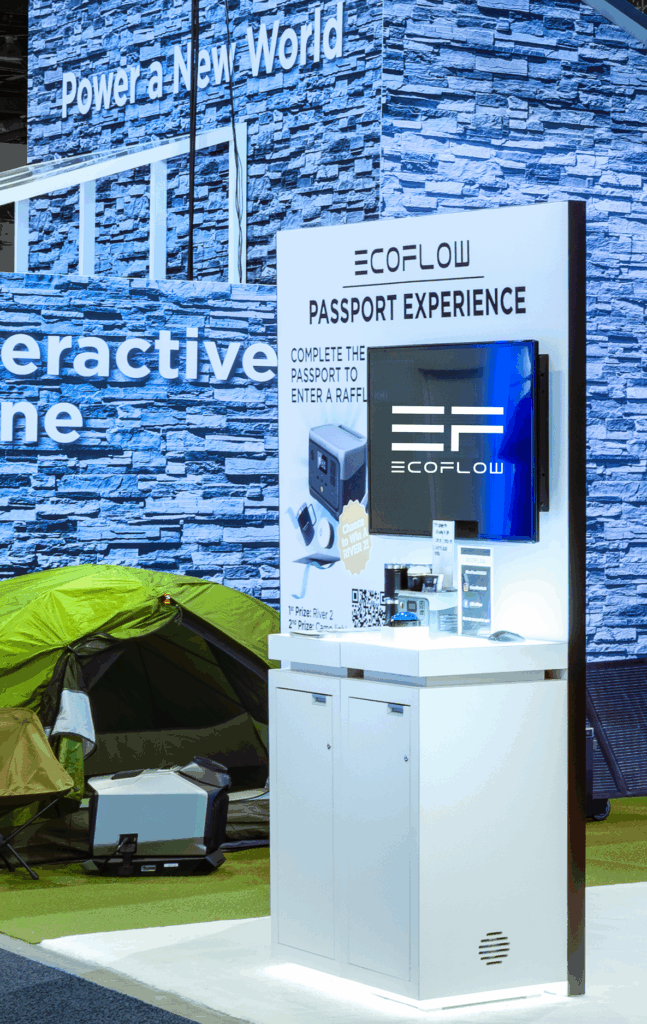
Roadshows are an amazing way to have a dedicated sales environment with clients around the country.
Building a More Intentional Event Strategy
The organizations seeing the greatest impact from events are building a more complete strategy that integrates multiple types of experiences into a broader approach to growth. Trade shows, private events, activations, and road shows each contribute in different ways. Together, they create a system that supports the entire revenue cycle, from initial awareness to long-term relationship development. This requires alignment between marketing and sales as well as clarity around who needs to be engaged and how. And oftentimes it requires a shift in how success is defined.
A More Strategic View of Events
Events are not new, but the way they are being used is evolving.
The most effective teams are viewing them as a sales channel as opposed to a marketing expense. They are designing experiences with intention, aligning them with both marketing and sales objectives, and using them to create meaningful momentum across the customer journey.
When viewed through that lens, events can play a central role in driving growth.