The experiential marketing industry continues to evolve as audience expectations, technology, and measurement capabilities advance.
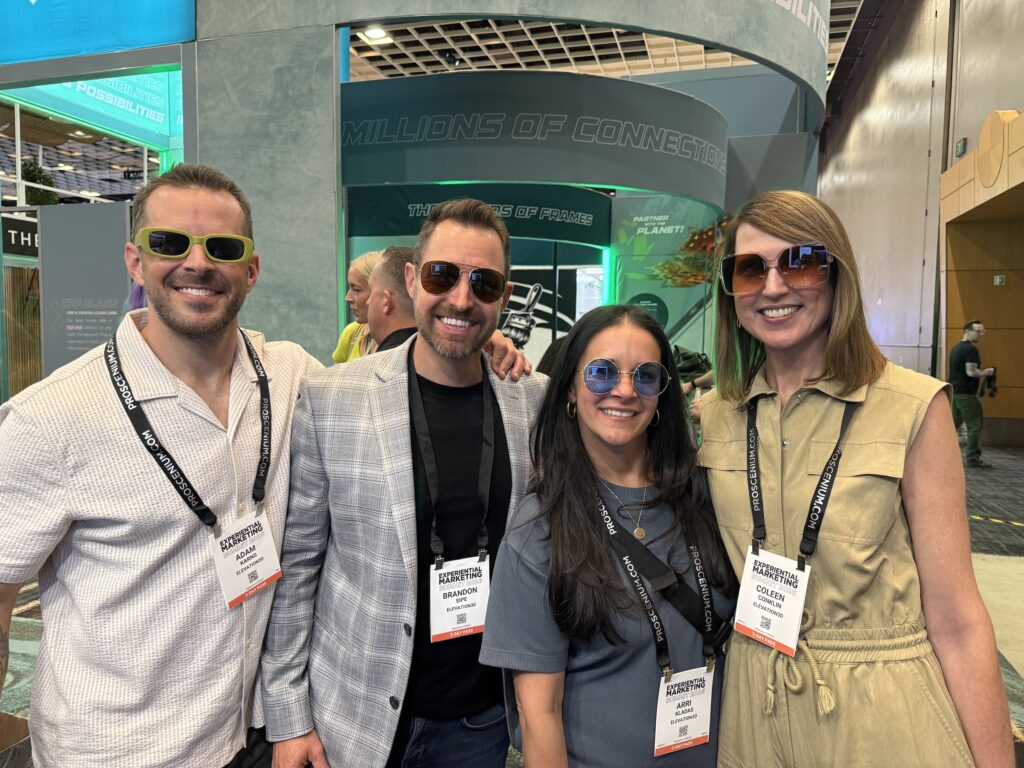
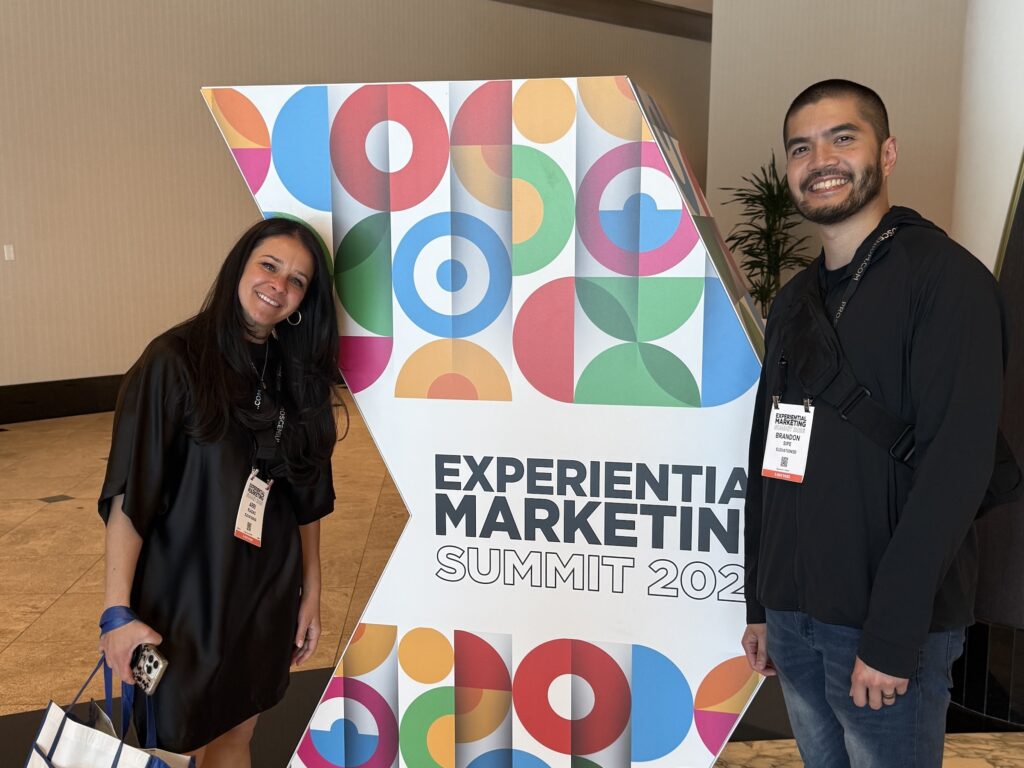
Last month, I attended Event Marketer’s Experiential Marketing Summit (EMS) in Las Vegas with the Elevation3D team. The discussions highlighted strategies, challenges, and innovations in experiential marketing and event design across industries ranging from retail and technology to sports and cultural events.
One message came through clearly across every session:
Treat your audience not as an audience to be informed, but as guests to be transformed.
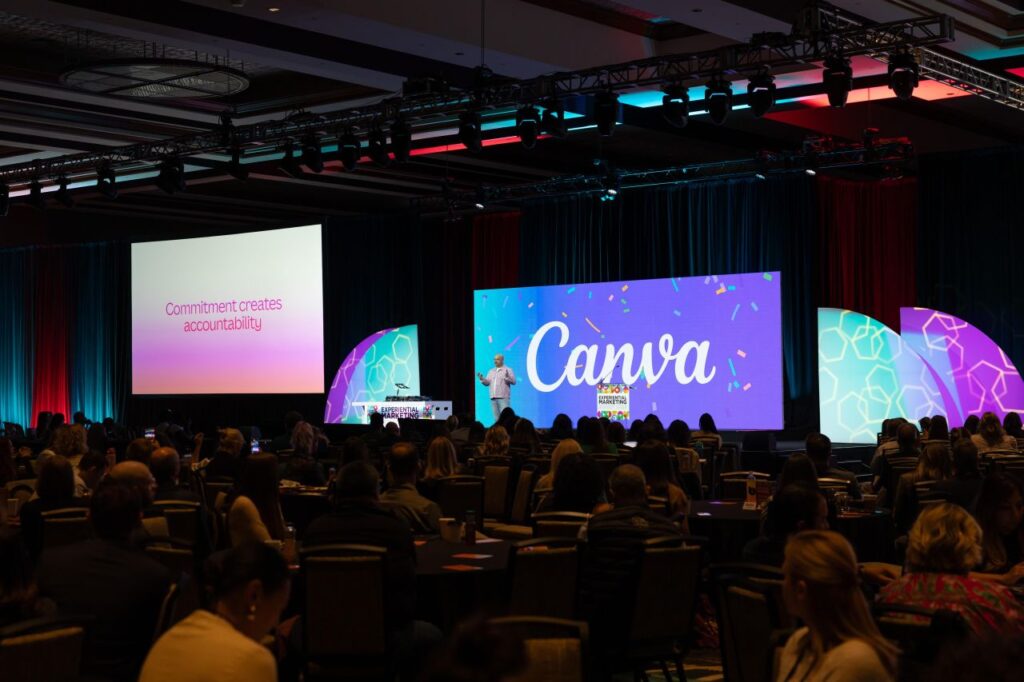
Sessions from brands like Canva, Adobe, Amazon Web Services (AWS), and Cirque du Soleil spoke about the shift from transactional engagements to sustainable ecosystems that extend far beyond isolated events. Across industries, speakers also reinforced that technology delivers its greatest value when it enhances storytelling, participation, and human connection.
The strongest brands are moving beyond generating traffic and capturing attention. They are designing experiences that foster participation, strengthen community, and build long-term advocacy.
Shared Experiences Create Advocacy
One of the strongest themes throughout the conference was the idea that experiences should be designed to create collective moments.
Brands are increasingly focused on turning attendees into active participants rather than passive observers. Hands-on activations, personalization, co-creation, and audience-driven storytelling allow attendees to become part of the experience itself. As participation increases, so does the likelihood that attendees will remember and share their experience.
One brand shared how they invite attendees to record short “confessions” during their events. These candid testimonials provide real-time feedback around emotion, context, and experience. Another session explored how shared moments become collective memories that audiences carry forward long after the event ends.
The takeaway was clear: experiences are most powerful when they create something people want to talk about, share, and relive with others. In many cases, those shared moments become the foundation for communities that extend the relationship between brands and audiences long after the event ends.
Measurement Needs to Evolve Beyond Vanity Metrics
Across sessions, speakers challenged the industry to move beyond vanity metrics such as impressions, attendance, and badge scans. While those indicators still have value, they rarely tell the full story. Instead, brands are exploring measurement frameworks that incorporate participation, sentiment, and business outcomes such as loyalty and pipeline progression.
Many of the measurement discussions validated how we approach experiential strategy at Elevation3D. We believe success should be defined at the beginning of the planning process, aligned to business objectives, and supported through the attendee journey.
Several speakers emphasized that truly effective experiences are designed with an audience-first mindset, even when internal priorities might suggest a different approach. When event agendas, content strategies, and engagement tactics are designed around what audiences want, they are more likely to drive meaningful business outcomes.
The Most Memorable Experiences Are Intentionally Designed
EMS sessions repeatedly highlighted the importance of creating emotional peaks that audiences immediately remember and share. One question that was posed and really resonated with me was:
What is the one moment your audience will remember after the event is over?
The answer to that question often determines the lasting impact of the experience.
Sessions explored how pacing, surprise, sensory engagement, storytelling, and participation transform activations into memorable experiences.
Creating Experiences That Scale Without Losing Impact
Another important discussion focused on scalability. As brands expand experiential programs across markets, regions, and audiences, maintaining authenticity and cultural relevance becomes increasingly important.
The challenge is creating frameworks that can scale while preserving what makes them meaningful. Modular design systems, adaptable content strategies, and intentional planning help brands extend their reach while maintaining audience relevance and engagement.
The Future of Experiential Is Bigger Than the Event
The future of experiential marketing includes the integration of events into broader business strategies that connect events, content, PR, community building, and customer engagement.
As experiential marketers, our opportunity is to design events that invite participation, create memorable moments, and strengthen the connections between brands and their audiences. Those experiences become the stories people remember, the moments they share, and the relationships that continue long after the event concludes.